Catch Some Balmy Breezes at the Beach
Posted On: July 11, 2024
 The heat advisories in Volusia County and other parts of Florida have also meant warmer ocean temperatures. Volusia County's waters are hovering around 83.5 degrees - still cool enough to be comfortable, but not dangerously hot.
When visiting the beach, follow these tips:
When the sun is blazing and the temperatures are soaring, it's important to know how to beat the heat and enjoy your beach day to the fullest. While the beach is all about soaking up the sun, it's essential to take breaks and seek shade to avoid overheating.
- Stay hydrated. Drink plenty of water throughout the day. Avoid alcohol, which can dehydrate you.
- Seek shade. Take breaks under umbrellas, canopies, or beach tents to limit direct sun exposure.
- Wear light clothing. Dress in lightweight, loose-fitting, and light-colored clothing to help keep your body cool.
- Use sunscreen. Apply a broad-spectrum sunscreen with at least SPF 30. Reapply every hour and after swimming or sweating.
- Take cool breaks. Take a dip in the ocean or use a wet towel on your neck and forehead to cool down.
- Listen to your body. If you start feeling dizzy, weak, or nauseous, seek shade and hydrate immediately.
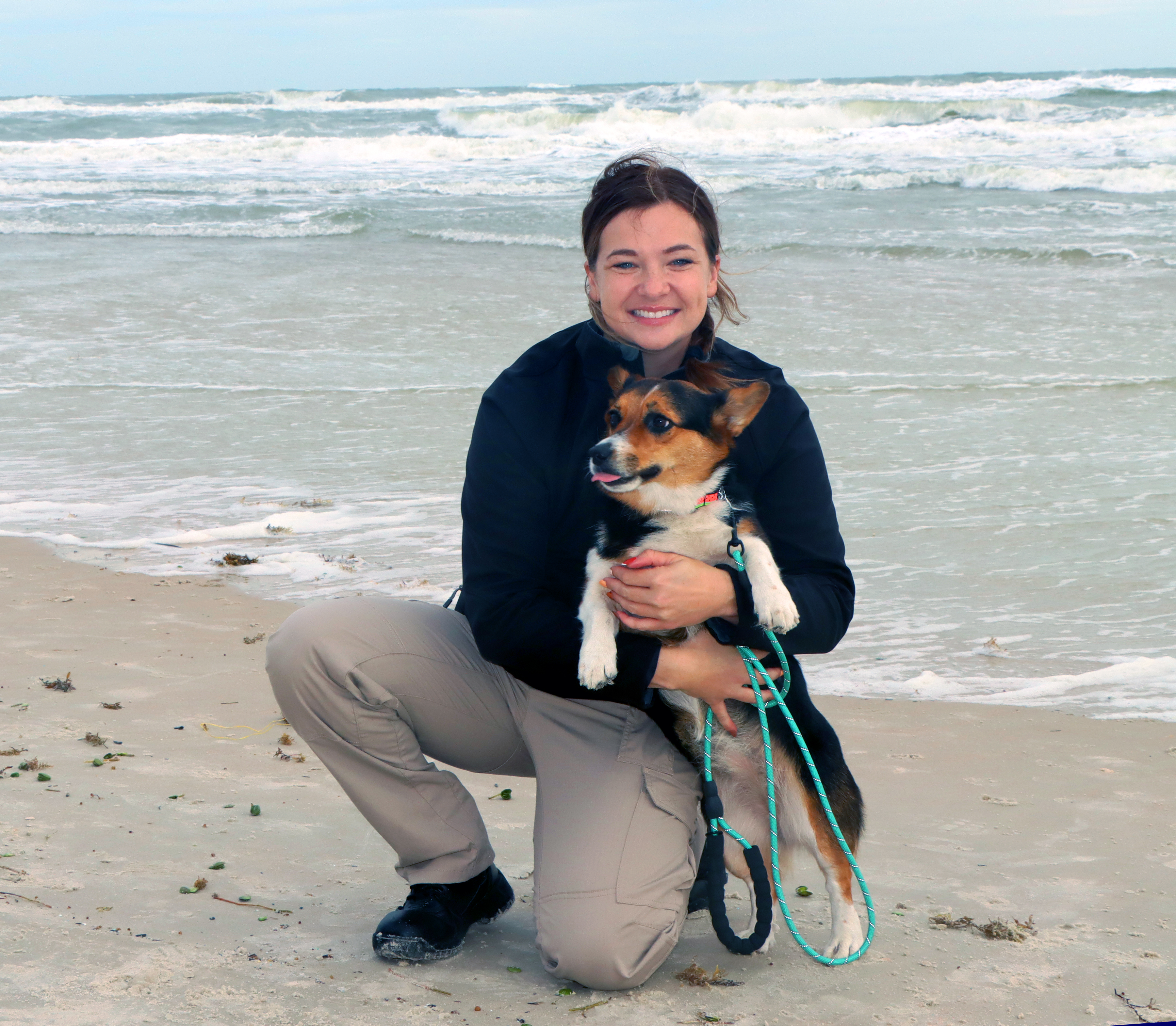
Tips for walking your dog on the beach:
Volusia County offers three dog-friendly beaches. You can find them at Lighthouse Point Park in Ponce Inlet, Smyrna Dunes Park in New Smyrna Beach, and Rockefeller Drive to Milsap Road in Ormond Beach. Make sure your dog doesn't get overheated by following these tips:
- Some dogs are prone to heat stress. Thse include dogs with short muzzles also referred to as “brachycephalic” (bulldogs, boxers, pugs, etc.) who need short, supervised visits outside and very limited exercise in the heat. Others more prone to overheating are puppies who are under 6 months of age or senior dogs who are over 7 years old. Peak heat times of the season may not be recommended for a beach visit with these pets.
- Keep your dog hydrated. Saltwater and increases in the normal level of exercise or excitement will dehydrate and overheat your pet exponentially faster and can make them ill. Always bring drinkable water and provide plenty of breaks to your pet on any trips outside the home.
- Beach sand can get hot too! If it's too hot for your bare hand, it’s too hot for their paws. Burns can be experienced in less than a minute and require urgent veterinary care. If you’re on the sand, allow your pet to walk on the water’s edge to protect their pads.