Electronic and Hybrid Vehicles and Floodwater
Posted On: October 11, 2024
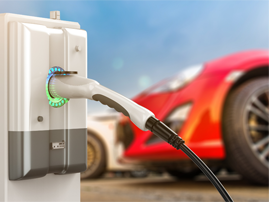
All vehicles can be significantly affected if exposed to flooding. But the consequences can be especially significant when dealing with electric vehicles (EVs) and hybrids.
While EVs and hybrids are designed with safety features to withstand some level of water exposure, prolonged or deep immersion in water can lead to various issues, including fire.
Volusia County Fire Rescue recommends that EV and hybrid owners follow these tips to minimize risks before, during, and after storms.
- Maintain your battery at 100% state of charge if you plan to evacuate in an EV or hybrid. Understand your vehicle’s range to ensure you can safely reach your destination.
- Avoid relying on charging stations along the evacuation route as they may experience long lines or power outages.
- Never park EVs or hybrids inside a garage in flood-prone areas.
- Do not leave electric vehicles plugged into a charger.
- Always ensure they are parked at least 50 feet away from any structure or other vehicles. Exposure to storm surge can damage the battery, leading to a fire risk. When leaving an EV or hybrid behind, maintain the battery at less than 30% state of charge.
- Never attempt to drive or charge a vehicle that has been submerged in floodwater.
General lithium-ion battery safety
Properly dispose of any lithium-ion batteries or devices containing lithium-ion batteries exposed to floodwater. Using or charging batteries exposed to floodwater poses a serious risk of fire. Do not discard these batteries in regular trash.