Volusia County to Remove Brazilian Peppers from Lighthouse Point Park
Posted On: February 6, 2026
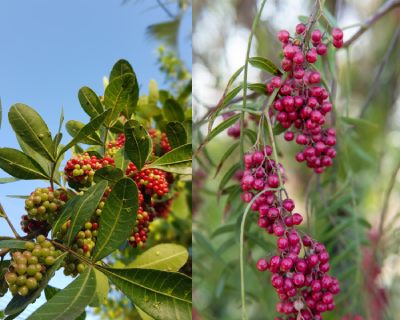
Volusia County anticipates beginning to remove invasive Brazilian pepper plants at Lighthouse Point Park in Ponce Inlet the week of Feb. 16, with the work expected to take approximately one week to complete. The effort will focus on nearly all the park’s natural areas, with Brazilian pepper treatment zones totaling 42.8 acres identified throughout the 52-acre park.
Brazilian pepper is an invasive plant that threatens native vegetation and wildlife habitat within the park. The aggressive species forms dense thickets that prevent young coastal plants from growing, reduce biodiversity, and alter natural processes that help protect shorelines. Birds and other wildlife consume the plant’s berries and spread its seeds, allowing Brazilian pepper to quickly invade new areas and outcompete native species.
As part of land management efforts, the County will remove Brazilian pepper using mechanical methods designed to target invasive growth while supporting the long-term recovery of native vegetation and wildlife habitat. This work involves physically cutting and removing the invasive plants from affected areas, allowing native vegetation to re-establish over time.
As the invasive growth is removed, visitors can expect to see improved sightlines and better access throughout the park’s natural areas. Known for its sweeping shoreline views, boardwalk access, and diverse coastal ecosystems, the park will also be better prepared for the upcoming Lighthouse Point Park Boardwalk Replacement project, anticipated to begin in late winter or early 2027, which will modernize existing boardwalks to meet ADA standards and improve connections within the park.
The park will remain fully accessible to the public during the project. Signage will be posted at park entrances and throughout the park to notify visitors of the work underway. Funding for the project includes a State of Florida Coastal Partnership Initiative grant awarded in December 2025, which will cover nearly half of the project cost. The remaining funding will largely be provided by the Ponce de Leon Port and Inlet District.