
Think Twice Before You “Kitten-nap”: Tips for Finding Young Kittens Outdoors
Posted On: June 15, 2026
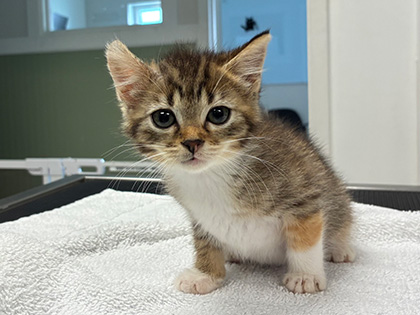
Before picking up a litter of kittens found outdoors and rushing them to a local animal shelter, Volusia County Animal Services is encouraging residents to pause and assess the situation, as mother cats are often still nearby and caring for their young.
Animal shelters nationwide experience an influx of newborn kittens as mother cats give birth during warmer months. While the instinct to help is understandable, young kittens are often better served remaining outdoors with their mother during the earliest weeks of life whenever conditions are safe.
Kittens found alone may appear abandoned, but immediately removing healthy kittens — sometimes referred to as “kitten-napping” — can unintentionally separate them from the care they need most. Mother cats frequently leave their litters temporarily to search for food and may intentionally remain out of sight when people are nearby, often returning once the area is quiet. Very young kittens, particularly those with closed eyes or folded ears, rely heavily on their mother for warmth, nutrition, and survival. Kittens that appear clean, quiet, and well-fed are often being cared for, even if the mother is not immediately visible.
Rather than intervening, residents are encouraged to observe from a distance to determine whether the mother returns. In many situations, she is waiting for people to leave the area before rejoining her litter. Allowing healthy kittens to remain in place while monitoring them from a safe distance often gives them the best chance of staying with their mother during the critical weeks of early development.
However, there are circumstances when intervention may be necessary. Residents should seek professional guidance if the kittens appear sick, injured, unusually thin, cold, or are located in an unsafe environment, such as near traffic, flooding, or other hazards.
Spaying and neutering remain the most effective ways to prevent unplanned litters and reduce the number of homeless animals entering shelters. For community cats, Volusia County’s Trap-Neuter-Return program offers a humane approach to stabilizing outdoor cat populations.
Residents who are unsure whether kittens need assistance are encouraged to contact Volusia County Animal Services before attempting to remove or relocate them. For more information or to contact Volusia County Animal Services, call 386-248-1790 or email animalcontrol@volusia.org.