Volusia County Urges Residents to Prepare for Rising St. Johns River and Reminds Boaters of No-Wake Restrictions
Posted On: November 13, 2026
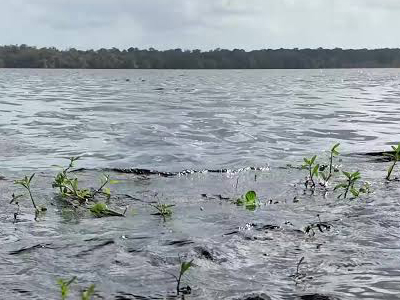
With water levels along the St. Johns River elevated, residents in low-lying, flood-prone communities near the river are encouraged to take precautions as officials monitor the potential for flooding in several areas. The National Weather Service has issued Flood Warnings for portions of the St. Johns River affecting Volusia, Lake, and Seminole counties as water levels have risen following significant rainfall across Central Florida.
As that water gradually moves north through the river system, levels are expected to rise at different times and to varying degrees. Although impacts will vary by location, some low-lying communities may experience localized flooding that could affect roadways, access to properties, and potentially some homes near the river.
These projections are not final, and both the timing and severity could change depending on additional rainfall, tidal influences, and other factors. Volusia County will continue working with the National Weather Service and other agencies to monitor conditions and provide updated projections and potential impacts as forecasts become more refined.
Residents Encouraged to Prepare
With river levels expected to change gradually over the coming weeks, residents in low-lying areas, particularly near Lake Harney and Astor, are encouraged to stay mindful of the potential for rising water and use this time to review their existing preparedness plans. Residents may also wish to check their supplies of food, drinking water, prescription medications, pet supplies, and other necessities as a precaution.
To assist residents who wish to take additional precautions, two self-service sandbag locations are available to Volusia County residents:
- Osteen: Adjacent to Volusia County Fire Rescue Station 36, 180 N. State Road 415, open 8 a.m. to 5 p.m.
- Astor: Lake County Fire Rescue Station 10, 23023 State Road 40, available 24/7.
Sand and bags are available at no cost. Residents should bring their own shovels and gloves and consider bringing someone to help fill and transport sandbags.
Boat Ramp Closures and No-Wake Restrictions
Elevated water levels have prompted temporary closures at several Volusia County-operated boat ramps, including Highbanks, Lake Ashby Park, Lake Monroe, Lemon Bluff, and Mariner's Cove Park. Both the old and new ramps at Lemon Bluff are closed. Residents and boaters can check the latest status of Volusia County-operated ramps at www.volusia.gov/boatramp.
In neighboring Lake County, the Butler Street, Pearl Street, and Lake George boat ramps are also closed to public use until further notice. Seminole County has also reported closures affecting Mullet Lake Park Boat Ramp, Econlockhatchee Canoe Launch on Snow Hill Road, Cameron Wight Park Boat Ramp, Lake Jesup Wilderness Area and Boat Ramp, Black Bear Wilderness Area, and C.S. Lee Park and Boat Ramp. Boaters seeking an alternative access point in Seminole County may use the Wayside Park Boat Ramp, which remains open.
Boaters traveling along the St. Johns River are reminded to comply with all posted idle-speed and no-wake restrictions. Boat wakes can push additional water onto already vulnerable shorelines, contributing to erosion and potentially damaging nearby homes, docks, and other structures. The Florida Fish and Wildlife Conservation Commission and Volusia Sheriff's Office are actively enforcing idle-speed and no-wake restrictions along the St. Johns River to protect vulnerable shorelines, waterfront properties, and nearby structures from damage caused by boat wakes.
Volusia County will continue to monitor river conditions and work closely with Lake and Seminole counties, the National Weather Service, and other state and regional partners to keep residents informed as conditions evolve.