Volusia County Ramps Up Mosquito Control Efforts
Posted On: June 23, 2025
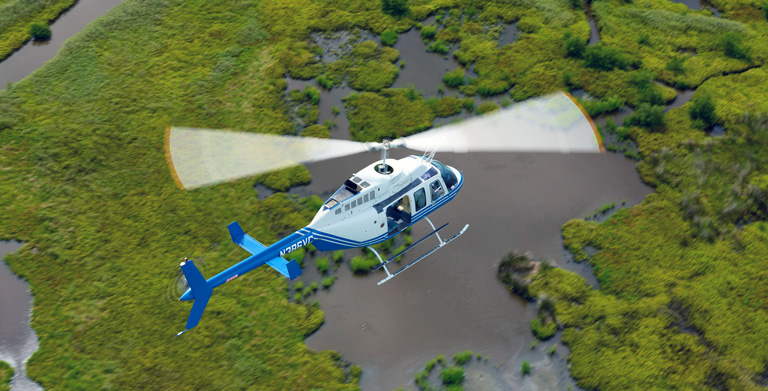
With mosquito season hitting full stride, Volusia County's comprehensive mosquito control program is operating at maximum capacity. Control teams are deploying across the county's 1,103 square miles, wielding an arsenal of scientific tools: targeted insecticide and larvicide applications, systematic ditch clearing and maintenance, and the strategic deployment of mosquito-eating fish in local waterways.
Mosquitoes pose far more than a mere annoyance – they serve as vectors for diseases that can cause severe illness and even death. In Florida, endemic mosquito-borne diseases include West Nile virus, eastern equine encephalitis, and St. Louis encephalitis. Also of concern are imported diseases, which include dengue, chikungunya, Zika virus, and malaria. There were 18 human cases of West Nile virus and 91 locally acquired cases of dengue across Florida in 2024.
Science-Based Integrated Pest Management
Volusia County operates a year-round mosquito control program using integrated pest management principles. This sophisticated approach prioritizes environmental protection while maximizing effectiveness through three core strategies:
- Surveillance and Data Collection: Teams conduct routine monitoring through mosquito traps, landing rate counts, and comprehensive field inspections. This data drives all treatment decisions, ensuring resources target actual mosquito activity rather than following predetermined schedules.
- Prevention and Source Reduction: The program partners with the Florida Department of Health to monitor sentinel chicken flocks and track virus activity in the community. These chickens serve as early warning systems because they develop antibodies to mosquito-borne viruses without becoming ill or transmitting diseases to humans.
- Targeted Treatment Response: All treatment decisions are based on documented increases in mosquito populations, as required by the Florida Department of Agriculture & Consumer Services. This ensures treatments are scientifically justified and environmentally responsible.
The 5 D's of Personal Protection
 Volusia County Mosquito Control and the Department of Health advocate the "5 D's" for comprehensive mosquito bite prevention:
Dusk and Dawn: Limit outdoor activities during peak mosquito feeding times when these insects are most aggressive in seeking blood meals.
Dress: When temperatures permit, wear long sleeves, long pants, socks, and closed shoes. Consider clothing with mosquito-repellent treatments or loose-fitting, net-style garments for added protection.
DEET: Use EPA-registered repellents containing DEET, which remains the gold standard for mosquito protection. The American Academy of Pediatrics recommends DEET-based products with up to 30% concentration for family members over two months old. Other effective EPA-approved ingredients include picaridin, oil of lemon eucalyptus, para-menthane-diol, and IR3535.
Drainage: Eliminate standing water around your property through the "tip and toss" method. Check eaves, gutters, plant saucers, tarps, boat bilges, and any container that collects water. Remember: mosquitoes bred in your yard don't stay there—they affect your neighbors too.
Doors and Windows: Maintain intact screens on all windows, doors, porches, and patios to create physical barriers against mosquito entry.
Enhanced Home Protection Strategies
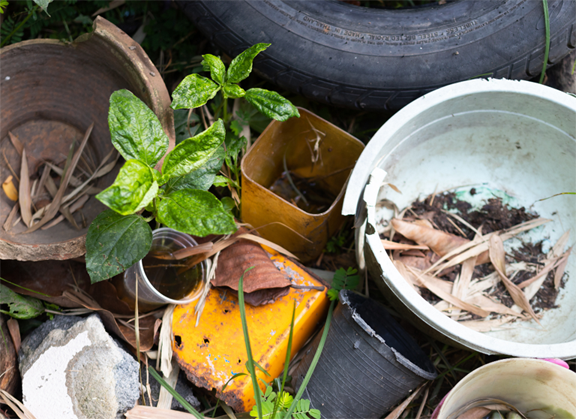 Beyond the basic "5 D's," residents should implement these additional measures:
- Weekly water management: Replace water in birdbaths and pet dishes at least weekly to prevent mosquito larval development.
- Property maintenance: Remove old tires, drill drainage holes in playground equipment, and ensure gutters flow freely.
- Larvicide application: Homeowners can purchase mosquito dunks (larvicides) at hardware stores for standing water that cannot be eliminated, such as decorative ponds or rain barrels.
How to Request Service
To request service, visit www.volusia.org/mosquito. For more information, call 386-424-2920 or email vcmosquito@volusia.org.