Save our Springs and Rivers
What is the Problem with Septic Tanks?
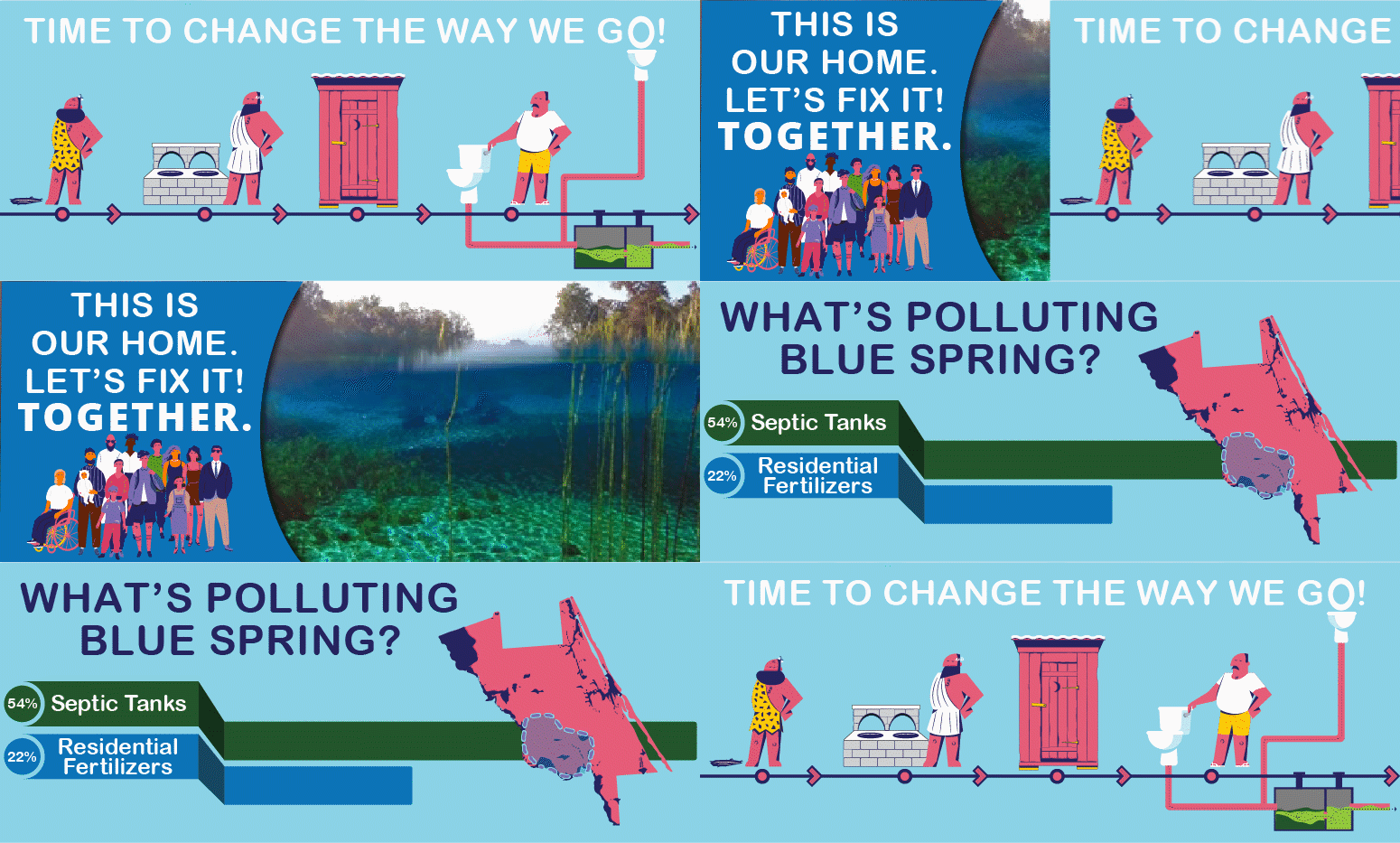
Scientists from the Florida Department of Environmental Protection developed a modeling tool to figure out what is negatively impacting the water quality in our springs and found that the top two contributors to reduced water quality are nitrogen from septic tanks and urban turfgrass (also known as residential) fertilizers.
How Did This Happen?
Traditional septic systems are designed to protect human health, not to remove nutrient pollution. Septic systems work by slowly releasing wastewater through a drain field, or soil absorption field. With over 41,000 septic tanks currently in use in the Blue Spring springshed, the nitrogen is polluting our spring and leaching into our groundwater – our drinking water source. This is also true in the other springsheds and watersheds in the county.
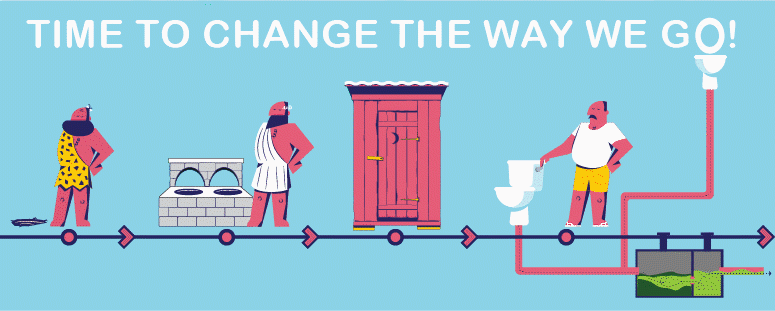
Just like with other issues, knowledge about water pollution has improved over the years. When Volusia County first developed, septic tanks were the only option for waste disposal. At low densities these systems did not have a profound effect on our groundwater, springs and rivers. Now, with thousands of systems in a relatively small area, the cumulative effect is harmful. As homeowners, we did not have an opportunity to choose our waste disposal method, but now it is time to make some changes and work together to protect our home and our springs.
Other Sources of Nutrient Pollution in the Blue Spring Springshed:
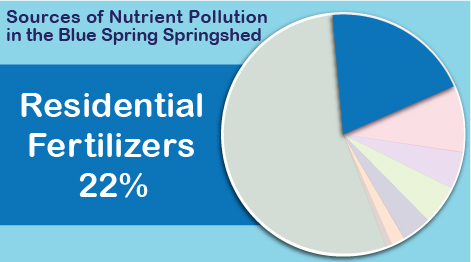
Residential Fertilizer
Residential fertilizers wash off our yards and seep into our waterways, where they contribute to algae blooms, fish kills and dead zones.
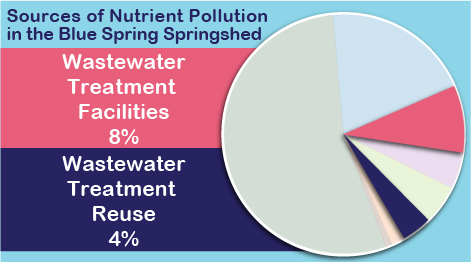
Wastewater Treatment
Facilities and Reuse
Together, we continue to take steps to reduce the nutrient pollution from our wastewater treatment process.
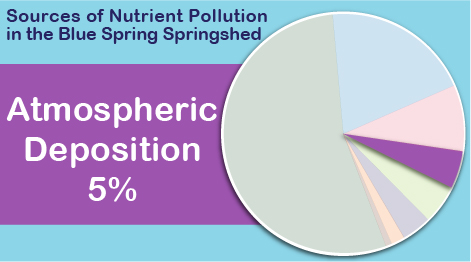
Atmospheric Deposition
Atmospheric nitrogen comes from a number of sources, and our actions, like reducing vehicle trips and energy used at home, can make a difference.
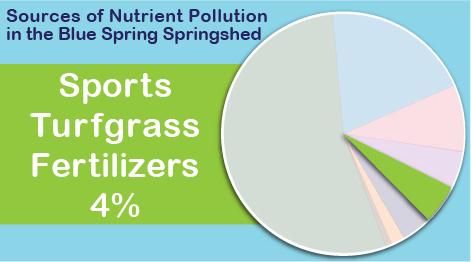
Sports Turfgrass Fertilizer
Baseball, football, soccer, and golf courses use fertilizer to keep their turfgrass growing, and following best management practices keeps their environmental impacts low.
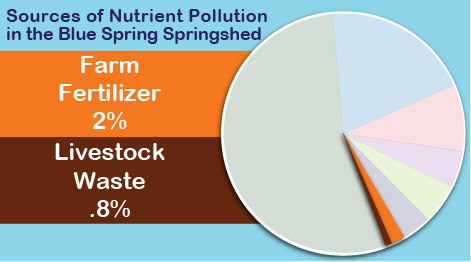
Farm Fertilizer and
Livestock Waste
Agricultural industries are required to follow best management practices to keep their environmental impacts low.
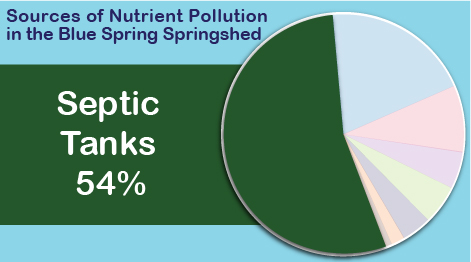
Septic Tanks
Start a movement! It’s time to re-think our waste disposal systems and change the way we go.
This cooperative project has been funded in part by the United States Environmental Protection Agency.