Farm Fertilizer and Livestock Waste
How do Farms and Livestock Relate to a Spring’s Water Quality?
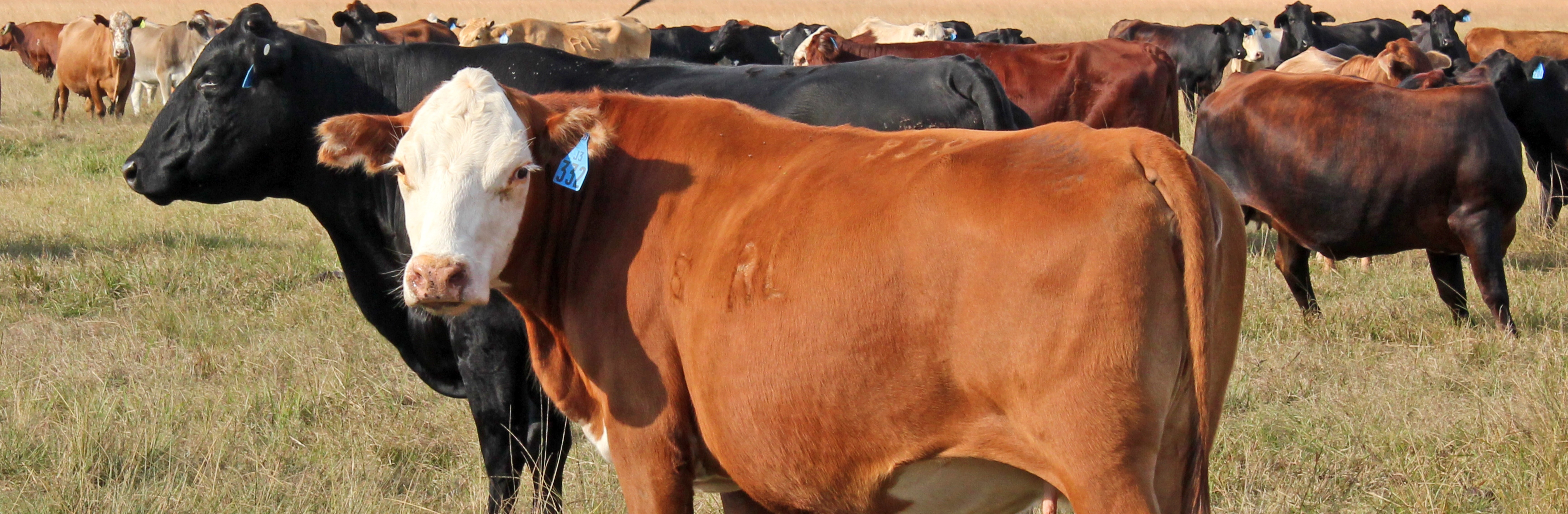
Scientists from the Florida Department of Environmental Protection developed a modeling tool to figure out what is negatively impacting the water quality in Blue Spring and found that the top two contributors to reduced water quality in our springs are nitrogen from septic tanks and urban turfgrass (also known as residential) fertilizers. A much smaller contribution of nutrient contribution was determined to be from Farm Fertilizer and Livestock Waste.
How did this happen?
Farms and other agricultural operations use fertilizer to produce food, fiber and shelter for consumers. Like with lawns and sports fields, the nutrients from these fertilizers sometimes find their way into our groundwater.
While the county’s fertilizer ordinance does not apply to agriculture, agricultural industries are required to follow agricultural Best Management Practices (BMPs) specific to the crops they grow and livestock they raise. Implementing BMPs benefits both the environment and the producer, and demonstrates the producer’s commitment to protecting Florida’s water. The agricultural industries self-regulate, and Florida Department of Agriculture and Consumer Services (FDACS) enforces non-compliance with these BMPs.
To learn more about BMPs for agriculture and to see a complete list of BMPs for livestock, food crops, sod, and nursery operations, please follow this link: Florida Department of Agriculture-Best Management Practices
To see Best Management Practices in action please visit University of Florida-IFAS-BMP
What can I do?
To reduce your impact, you can:
- Support local farmers and ranchers
- Local food production is important for all of us. It boosts our local economy, improves the food security of our local communities, and builds the resilience of our region as a whole. Many avenues for purchasing local food, like at farmers markets and roadside stands, are the most direct way to support local farmers and ranchers.
- Did you know that Volusia County also has local fern growers? To support them, buy flowers and send flowers, and make sure that they are American-grown.
- Build relationships with local food producers
- Ask about the food they are selling, how it is grown, and what practices the farmer uses to protect water quality.
- Recognize the local farmers who have installed buffer zones around their properties to protect water bodies.
- Buy seasonally
- Seasonal produce is well-suited for the climate it is grown in, and may require less fertilizer than produce grown outside of ideal growing conditions.
- Understand agricultural perspectives
- It costs farmers much more to fertilize large-scale agricultural operations than it costs homeowners to apply nutrients to their properties. Therefore, it is generally to the farmers’ advantage to utilize these nutrients as wisely as possible, rather than excessively.
What is the County doing?
Your local UF/IFAS Extension office offers education to producers across the county, ensuring that the crop varieties they grow and the management methods they use are all backed by the best science available. The local UF/IFAS Extension office offers a variety of workshops, field days, and one-on-one consultations to help increase production efficiency and reduce.
Livestock
Nutrient Management and Water Resource Protection Practices
Soil and tissue tests for pH and nutrient analysis are utilized to recommend fertilizer rates to producers. These samples are analyzed at the University of Florida’s Soils lab and guide management decisions affecting lime application, fertilizer efficiency, related water use and best management practices. Extension agents also consult with producers on choosing the appropriate sources and formulations of fertilizer based on: the nutritional needs of the forage; tips on choosing and growing the appropriate forages for the soil type and climate in order to use less nutrients; and how to properly calibrate and adjust fertilizer application equipment.
Evaluation of production practices such as proper animal waste management, conservation buffers, grazing management, and animal feeding management are important management practices discussed with producers in order to reduce of the amount of nutrients (fertilizers and animal wastes) that enter waterways.
Commercial Horticulture
The Commercial Horticultural program provides educational outreach to growers on:
- New technology to monitor soil moisture
- Weather monitoring
- Rainfall accumulation
- Soil and tissue analysis
- Fertilizer use
- Integrated Pest Management strategies
- Pesticide education
- Cost share opportunities.
This outreach occurs through multiple platforms, including grower field days, classroom instruction, electronic communication, one-on-one field visits, and telephone consultations.
Website: Volusia County/IFAS Extension
Facebook Page: @VCExtension